14 Famous Directors Who Started In Indie Films
Many of today’s most famous directors started their careers in independent cinema, using low budgets, creative storytelling, and a passion for filmmaking to break into the industry. Indie films often provide directors with the freedom to experiment with unique ideas, develop their signature styles and gain recognition in film festivals. For some, their debut films were made with personal savings, handheld cameras or small crews, yet they left a lasting impact.
Quentin Tarantino
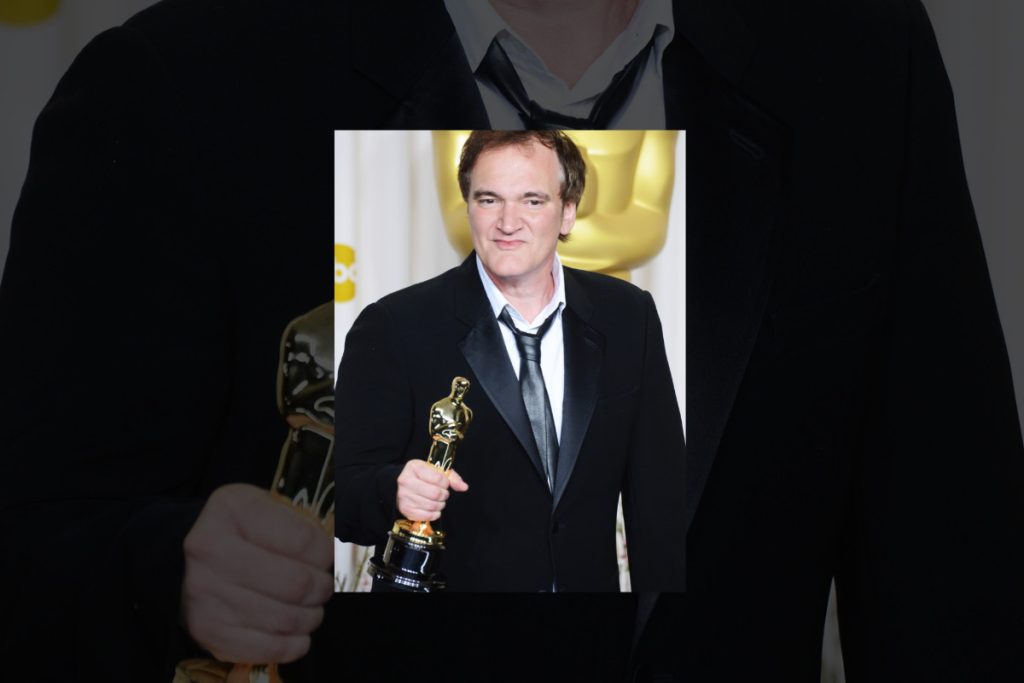
Started with Reservoir Dogs 1992, a crime thriller made on a $1.2 million budget. The film’s sharp dialogue, nonlinear storytelling and intense violence gained critical praise. Tarantino, a former video store clerk, used his deep film knowledge to craft unique narratives. His indie success helped him secure funding for Pulp Fiction 1994, which won the Palme d’Or. Tarantino became known for his stylized violence, pop culture references, and rich characters.
Christopher Nolan

Christopher Nolan’s journey to becoming one of Hollywood’s most visionary directors began far from the glitz of major studios. His debut film, Following (1998), was a black-and-white neo-noir thriller made for just $6,000, shot on weekends with friends as the cast and crew. Despite its budget, Following displayed Nolan’s signature style: nonlinear storytelling, psychological depth, and a gritty, cerebral tone. That indie gem caught enough attention to help him secure funding for Memento (2000).
Darren Aronofsky
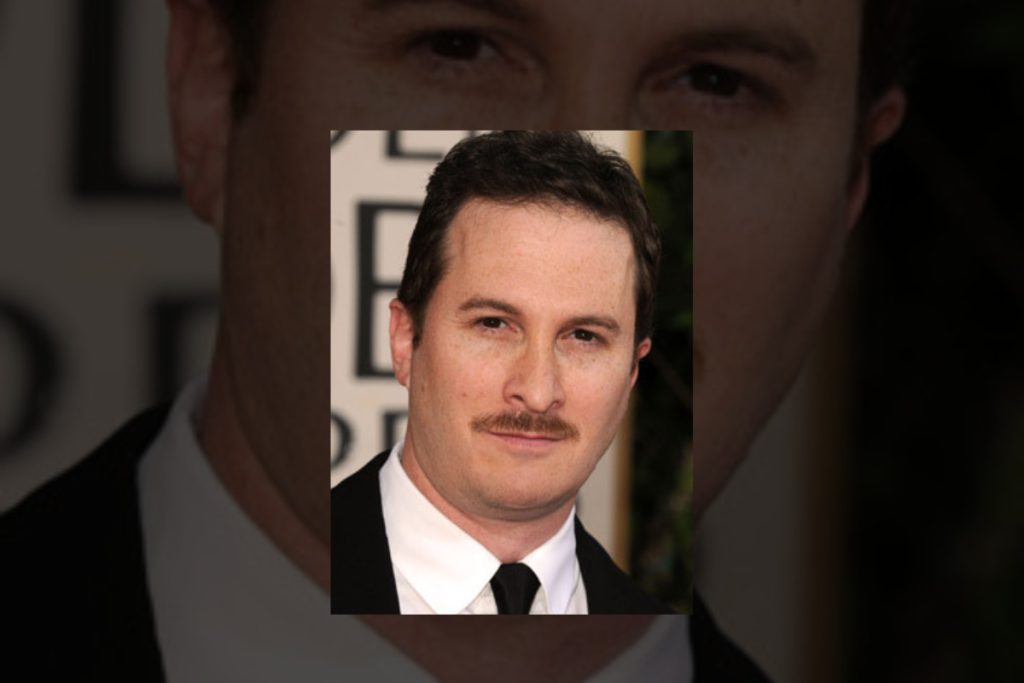
Darren Aronofsky made an unforgettable entrance into the film world with his 1998 indie thriller Pi, a black-and-white psychological spiral into obsession, shot on a shoestring budget of just $60,000. Despite its low production cost, Pi stunned audiences with its cerebral intensity and earned him the Directing Award at Sundance, launching his career with instant cult status. He followed it up with Requiem for a Dream (2000), a harrowing look at addiction that cemented his reputation for raw, visceral storytelling.
Richard Linklater

Richard Linklater burst into the spotlight with Slacker (1990), a no-budget indie film that meandered through a day in the life of eccentric Austinites, challenging every traditional storytelling rule. Shot for just $23,000, Slacker became a cornerstone of ’90s independent film, celebrated for its philosophical dialogue, non-linear structure, and completely plotless charm. He followed it with Dazed and Confused (1993), a coming-of-age cult classic that launched careers and captured the heart of an entire generation.
Related: The Producers Who Didn’t Just Make Movies, They Made History
Kevin Smith
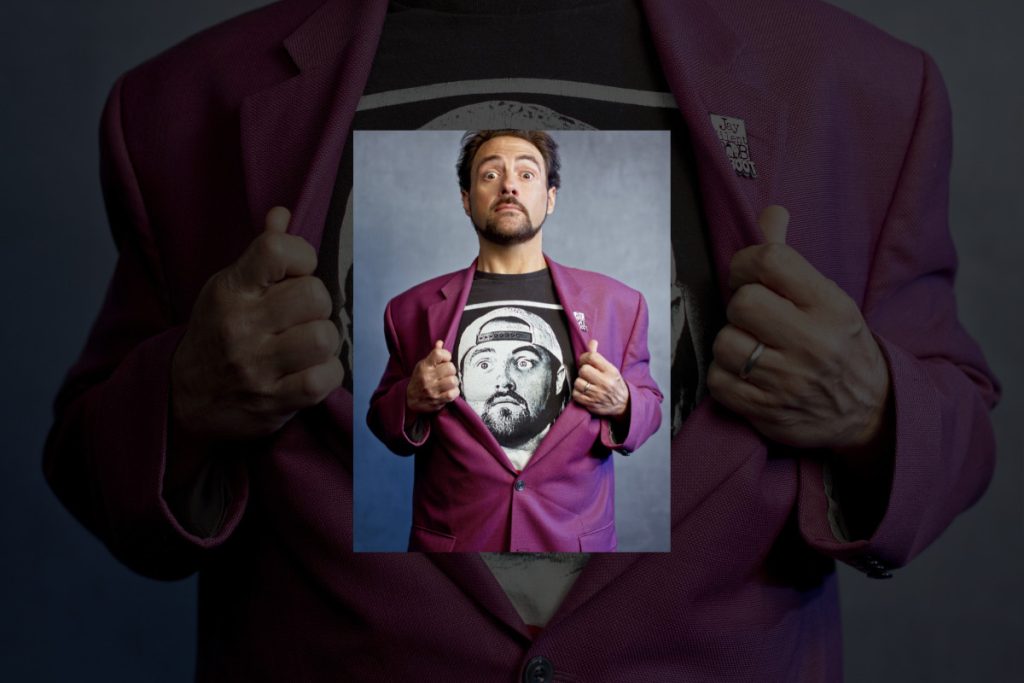
Kevin Smith exploded onto the indie film scene with Clerks (1994), a black-and-white comedy made for just $27,000—mostly financed through maxed-out credit cards. Shot in the convenience store where he actually worked, the film’s witty, profanity-laced dialogue and slacker philosophy struck a chord with Gen X audiences and became a Sundance sensation. Smith’s unapologetic voice and raw authenticity proved that passion and a strong script could trump big budgets
Related: Meet The Pioneers Who Transformed Film Editing Into Cinema’s Secret Weapon
The Coen Brothers
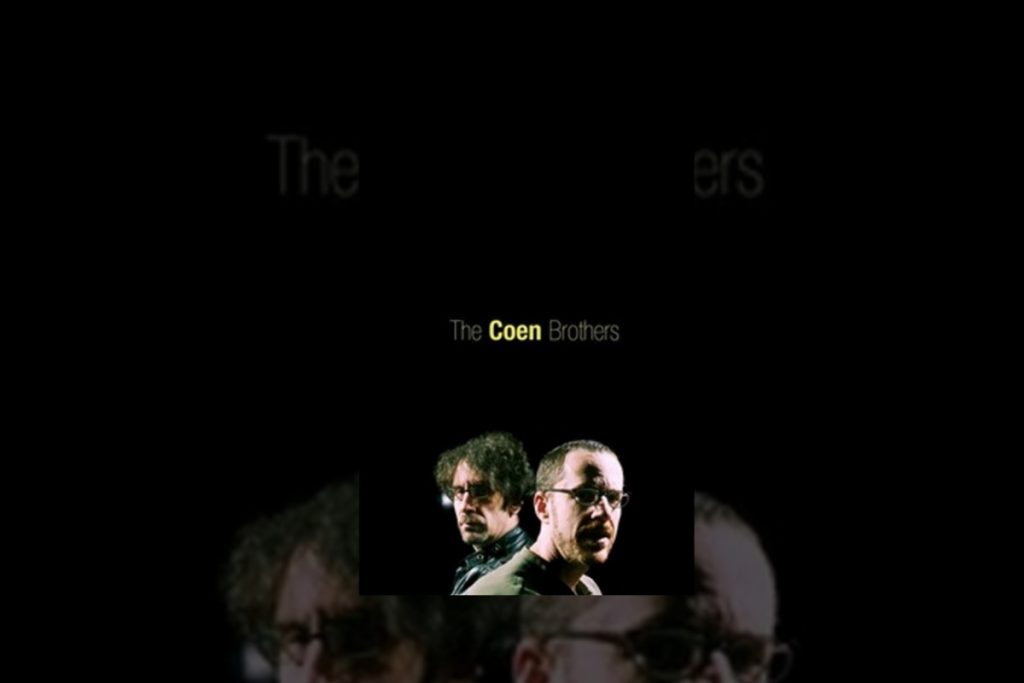
Joel and Ethan Coen made their bold indie debut with Blood Simple (1984), a gritty, stylish neo-noir that showcased their gift for suspense, dark humor, and visual flair. Shot on a modest budget raised through a DIY trailer and private investors, the film won the Grand Jury Prize at Sundance and immediately marked the Coens as a creative force to watch. They followed it up with genre-defying classics like Raising Arizona (1987), Barton Fink (1991), and Fargo (1996)—the latter earning them their first Academy Award.
Related: 13 Breakout Stars Who Launched Their Careers In Blockbuster Films
Wes Anderson

Wes Anderson began his journey with Bottle Rocket (1996), a low-budget caper film that started as a short and evolved into a full-length feature thanks to the support of producer James L. Brooks. Though it wasn’t a commercial hit, its offbeat humor, precise framing, and heartfelt storytelling introduced the world to Anderson’s now-iconic visual and narrative style. He truly found his groove with Rushmore (1998) and The Royal Tenenbaums (2001), blending symmetrical cinematography, whimsical scores.
Related: 12 Best Marvel Cinematic Universe Films You Need To Watch
Guillermo del Toro
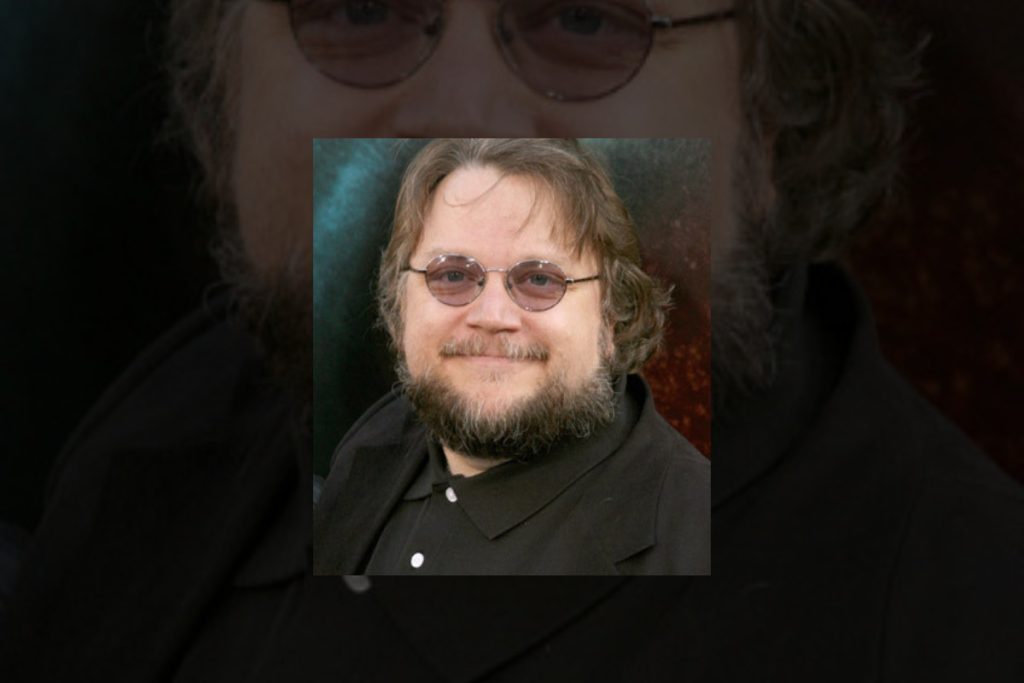
Guillermo del Toro’s journey began with Cronos (1993), a haunting and poetic vampire story made on a modest budget in his native Mexico. Even with limited resources, del Toro showcased a singular voice—one obsessed with monsters, mythology, and the beautiful tragedy of the outsider. Cronos won international acclaim and put him on the map as an indie visionary with a taste for the darkly fantastical. He followed it with The Devil’s Backbone (2001), a ghost story steeped in political allegory,
Related: The Top Film Schools Around The World Shaping Tomorrow’s Filmmakers
Paul Thomas Anderson

Paul Thomas Anderson made a striking entrance into the indie film world with Hard Eight (1996), a gritty crime drama born from his short film Cigarettes & Coffee. Though it flew under the radar, it established his knack for layered characters and slow-burning tension. But it was his breakout film Boogie Nights (1997) that launched him into cinematic fame—an audacious, emotionally complex dive into the adult film industry of the ’70s, made with a boldness rarely seen in Hollywood.
Related: 12 Movies That Prove Streaming Beats Theaters
Sofia Coppola

Made her debut with The Virgin Suicides 1999, a haunting drama. The film’s dreamlike visuals and emotional depth impressed critics. Coppola’s style includes pastel color palettes and themes of isolation. She found mainstream success with Lost in Translation 2003, winning an Oscar for Best Screenplay. Her work often focuses on loneliness, fame and femininity. Later films like Marie Antoinette 2006 and The Beguiled 2017, continued her signature aesthetic.
Related: 15 Highest Paid Actors in Hollywood, And Are They Worth It?
Barry Jenkins

Barry Jenkins made his quiet but promising debut with Medicine for Melancholy (2008), a beautifully understated indie romance exploring race, identity, and love in gentrifying San Francisco. Shot on a micro-budget in just 15 days, the film showcased Jenkins’ lyrical approach to storytelling, thoughtful visuals, and ability to capture complex emotions in simple moments. He shook the world with his second feature, Moonlight (2016), a deeply personal coming-of-age story told in three chapters that explored Black masculinity.
Related: 15 Highest Paid Actors in Hollywood, And Are They Worth It?
Robert Rodriguez

Created El Mariachi 1992, with only $7,000, using guerrilla filmmaking techniques. The action packed Spanish language film became a sleeper hit. He followed up with Desperado 1995, starring Antonio Banderas. Rodriguez became known for his fast paced action films and DIY approach. He later directed Sin City 2005 and Spy Kids 2001. His resourcefulness and creativity make him an indie film icon. He also founded his own production studio, Troublemaker Studios.
Related: 15 Celebrities Who Quietly Left Hollywood, And Why
Greta Gerwig
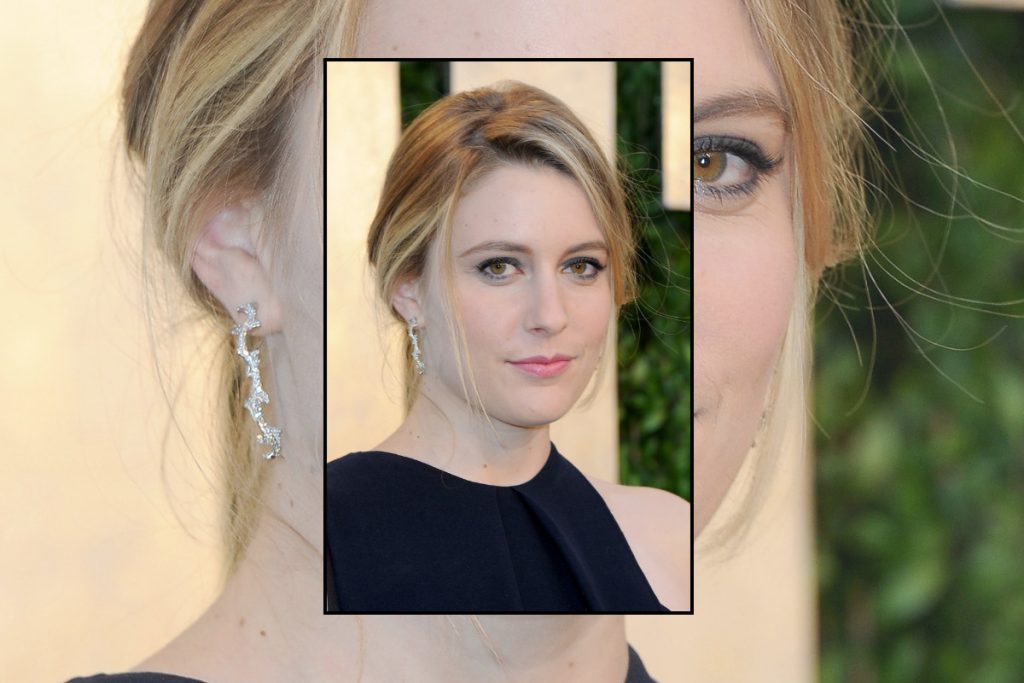
Co-directed Nights and Weekends 2008, a low budget indie film. She was originally known as an actress in the “mumblecore” movement. Her directorial debut, Lady Bird 2017, was a semi autobiographical coming of age film. It earned multiple Oscar nominations, making her a major director. She continued with Little Women 2019, further proving her talent. Gerwig’s writing and directing focus on deep emotional storytelling. She most recently directed Barbie 2023, a massive success.
Related: 12 Movies That Prove James Cameron Is The King Of Action
Jordan Peele

Started as a comedian before transitioning to horror with Get Out 2017. The film, a social thriller, was an instant success, winning an Oscar for Best Screenplay. Peele’s unique blend of horror and social commentary became his trademark. He followed up with Us 2019 and Nope 2022, cementing his reputation. His work is influenced by classic horror and sci-fi. Peele is now one of the most exciting modern directors. He continues to redefine the horror genre.
Related: 12 Movies That Pushed The Boundaries Of Visual Effects
The journey from independent filmmaking to mainstream success is not easy, but these 14 directors prove that creativity, persistence and a strong artistic vision can open doors to greatness. Their early indie films not only launched their careers but also introduced audiences to fresh storytelling techniques, unique cinematography and bold narratives. Even after achieving mainstream success, many of these directors continue to embrace independent sensibilities, bringing depth and originality to their work.
Disclaimer: This list is solely the author’s opinion based on research and publicly available information.
12 Incredible Movies From Director David Fincher
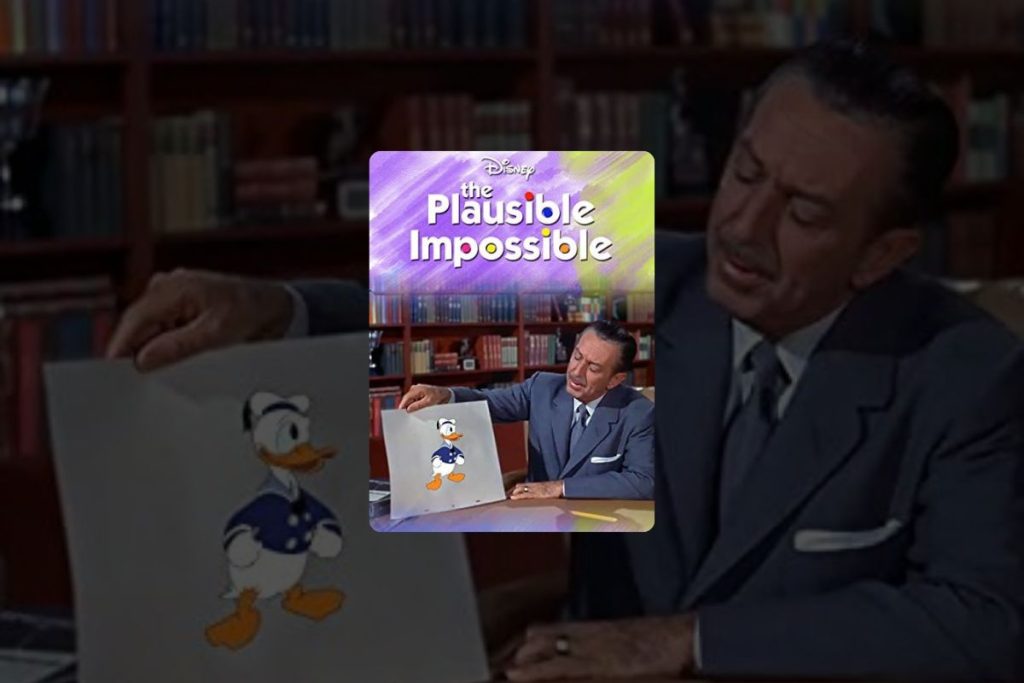
Film producers are often the unsung heroes of the movie industry. While directors and actors take center stage, producers are the driving force behind the scenes, making crucial decisions that shape the final product. Some producers, however, go beyond just making movies, they redefine the industry, break barriers and change cinematic history. These visionaries take risks, push creative boundaries and leave a lasting impact on Hollywood and global cinema. In this article, we celebrate the legendary producers who did not just produce films but shaped the course of film history itself.
Read it here: The Producers Who Didn’t Just Make Movies, They Made History
12 Trailblazing Women Who Are Changing The Animation Industry

The animation industry has long been dominated by men, but a wave of incredibly talented women is reshaping the field. These trailblazers are bringing fresh perspectives, innovative storytelling and groundbreaking visuals to animated films and series. From directing major box office hits to leading animation studios, they are proving that creativity knows no gender. Here are 12 women who are redefining the future of animation.
Read it here: 12 Trailblazing Women Who Are Changing The Animation Industry
12 Anime Movies Americans Can’t Stop Talking About

Anime films have transcended cultural barriers, captivating audiences worldwide with their breathtaking animation, profound storytelling and emotional depth. In the U.S., certain anime movies have become cultural touchstones, sparking conversations and earning devoted followings. From heartwarming tales to mind bending sci-fi, these 12 anime films have left a lasting impression on American audiences.
Read it here:12 Anime Movies Americans Can’t Stop Talking About
You’ll love these related posts:


