15 Hit U.S. TV Shows You Had No Idea Started Overseas
Think your favorite American TV shows are 100% homegrown? Think again! Some of the biggest and most beloved U.S. series actually got their start in other countries before being adapted for American audiences. Whether it’s a gripping drama, a laugh out loud sitcom or a reality show phenomenon, you might be surprised to learn that these hits first found success abroad. Here are 15 popular U.S. TV shows that owe their origins to international counterparts.
The Office (U.K. to U.S.)

Before Steve Carell made The Office an American classic, Ricky Gervais introduced the world to the painfully awkward David Brent in the British version. The original U.K. series was grittier and darker, but the U.S. adaptation took the premise and expanded it into one of the most iconic sitcoms of all time.
The Killing (Denmark to U.S.)

The moody crime drama The Killing started as a Danish series called Forbrydelsen. The U.S. version maintained the dark, slow burn storytelling and became a hit with fans of intense, atmospheric detective shows.
Shameless (U.K. to U.S.)

The Gallagher family’s wild antics did not start in Chicago, the British version of Shameless premiered in 2004 and ran for 11 seasons. The U.S. adaptation kept the dysfunctional family dynamic but gave it a grittier, uniquely American edge that kept audiences hooked for a decade.
House of Cards (U.K. to U.S.)

Before Kevin Spacey’s Frank Underwood schemed his way through Washington, there was a British version of House of Cards set in Parliament. The U.K. series was a political thriller masterpiece and its American counterpart elevated the stakes with even more ruthless power plays.
America’s Got Talent (U.K. to U.S.)

It may have “America” in the name, but the Got Talent franchise started in the U.K. under Simon Cowell’s creative direction. The format was such a hit that it was adapted for the U.S. and went on to become one of the most popular talent competitions in television history.
Survivor (Sweden to U.S.)

Before American contestants were outwitting, outplaying and outlasting each other on tropical islands, Survivor was a Swedish reality show called Expedition Robinson. The U.S. version took the concept, added high stakes drama and turned it into a global phenomenon.
American Idol (U.K. to U.S.)

Another reality TV juggernaut, American Idol was inspired by the British show Pop Idol. Simon Cowell brought the talent competition to the U.S. and it became a massive hit, launching the careers of stars like Kelly Clarkson and Carrie Underwood.
Trading Spaces (U.K. to U.S.)

Home renovation TV might not be the same without Trading Spaces, but did you know it was based on the British show Changing Rooms? The U.S. version became a staple of early 2000s home makeover television, complete with dramatic reveals and questionable design choices.
Veep (U.K. to U.S.)

Julia Louis-Dreyfus nailed her role as the hilariously incompetent vice president in Veep, but the show was actually inspired by the British series The Thick of It. The U.K. version focused on a chaotic government office, while Veep adapted the satire to fit American politics.
Whose Line Is It Anyway? (U.K. to U.S.)

The hilarious improv comedy show Whose Line Is It Anyway? actually started on British television before being adapted for American audiences. While both versions featured quick witted comedians, the U.S. version hosted by Drew Carey and later Aisha Tyler, became a comedy staple.
Big Brother (Netherlands to U.S.)

The concept of locking strangers in a house under 24/7 surveillance did not originate in the U.S., it came from the Netherlands. The American Big Brother took the format and ran with it, creating a cultural phenomenon filled with alliances, betrayals and dramatic evictions.
Hell’s Kitchen (U.K. to U.S.)

Gordon Ramsay’s fiery temper and high culinary standards first made waves in the British version of Hell’s Kitchen. When the show was adapted for the U.S., Ramsay turned up the intensity and the result was a reality TV hit that made viewers and chefs sweat.
Undercover Boss (U.K. to U.S.)

Before American CEOs were donning disguises to spy on their employees, Undercover Boss was already a success in the U.K. The concept of high ranking executives experiencing their companies from the bottom up translated perfectly to U.S. audiences.
Three’s Company (U.K. to U.S.)

The beloved ’70s sitcom about a man pretending to be gay to live with two female roommates was based on the British show Man About the House. The U.S. adaptation became one of the most popular sitcoms of its time, proving that British humor translates well across the pond.
Queer as Folk (U.K. to U.S.)
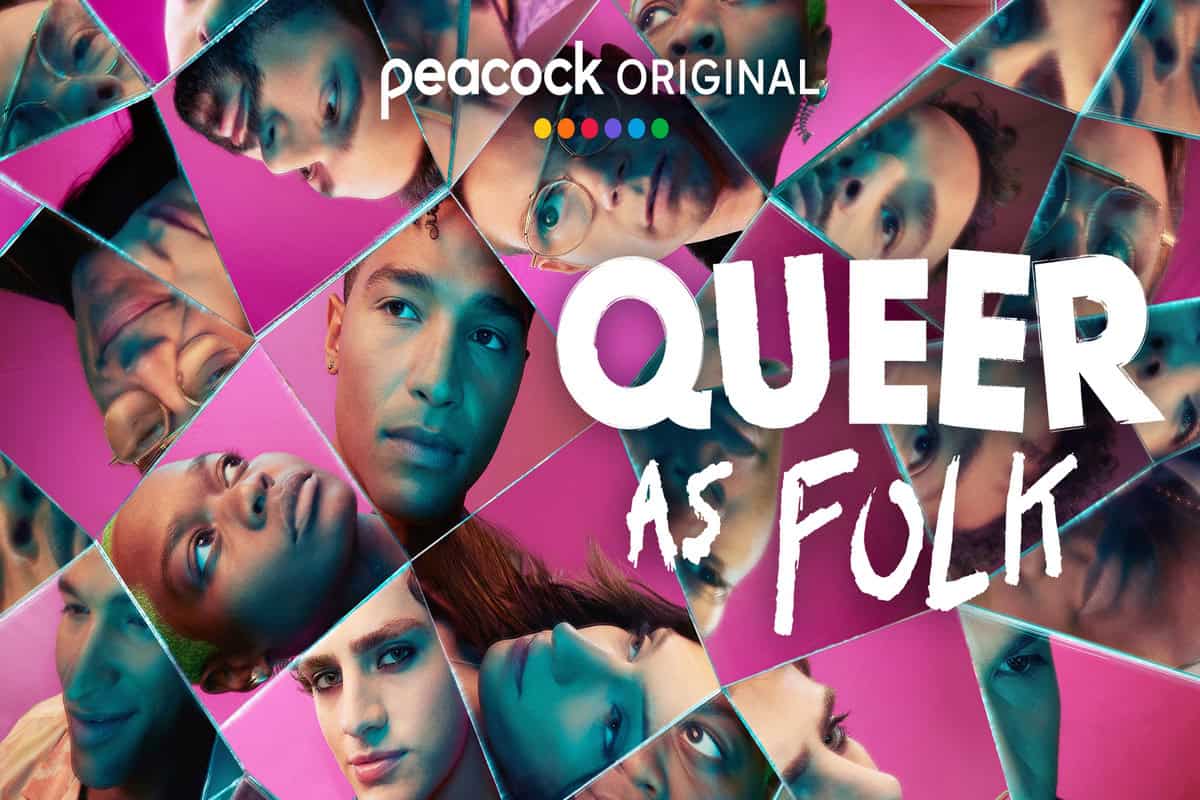
Before the groundbreaking American version aired on Showtime, Queer as Folk was a British series that pushed boundaries in LGBTQ+ representation. The U.S. adaptation expanded the original’s themes and characters, making it a landmark series for American television.
Many of these shows have become so ingrained in American pop culture that it’s easy to assume they were created in the U.S. from the start. However, their international roots prove that great storytelling transcends borders, inspiring adaptations that find new life in different countries. Have you watched any of these original versions, or are you shocked to learn where these shows actually came from?
Disclaimer: This list is solely the author’s opinion based on research and publicly available information.